
“Event of the Year”: The Collective Sum Positions Minnesota as a Hub for Black Culture & Leadership
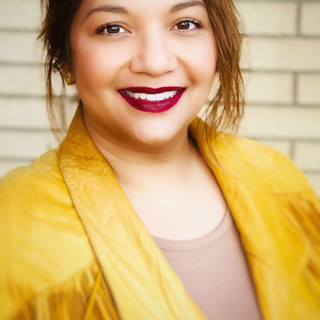

Across the country, equity-focused organizations are being defunded, DEI policies are under assault, and community leaders say fear and isolation are becoming the norm. For Lulete Mola, co-founder of The Black Collective Foundation MN, these “unusual and scary times” demand a different kind of response—one rooted not in retreat but in community. That belief shaped The Collective Sum, a multiday convening designed to counter isolation with strategy, community, and hope.
“What we did in three days is what many people do in a year: developing leaders, training, convening, and celebrating,” said Lulete. “We held so many emotions and still strategized, planned, and looked at facts and data, while tending to our spirits and our connection.”
During the three-day gathering, 400 community members gathered inside Minneapolis Event Centers with open hearts and determined spirits to figure out a way forward.
“It is not our fault that things are being dismantled, or that we are not able to get the resources needed to do imperative work, or that we have a government that’s not functioning in favor of the people. It’s not our fault, and it’s not ours to internalize,” said Lulete.

Collective Sum presenter and BLCK Press founder Georgia Fort said the opportunity to be in community that was multi-generational, across sectors and centering the brilliance of Black leaders was priceless.
“The Collective Sum is the event of the year. We needed a space to come together, to hold one another, to laugh, grow and grieve what was,” said Georgia. “The Collective Sum is a glimpse of who we are together. The Collective Sum is a glimpse at the power we have when we are unified.”
Lulete spoke with us about the intention behind the gathering, the political moment nonprofits are navigating and what comes next.
Q&A With Lulete Mola
Edited for length and clarity

Q: The Collective Sum was framed as a gathering for people shaping strategy for the moment we’re in. How do you describe this moment?
Lulete: There is what I would consider political chaos. There’s uncertainty about the state of the nonprofit and social-change sector, and about the state of diversity, equity, and inclusion—laws, policies, and practices. We are also very isolated, and many people are trying to figure out a way forward, whether that is feeling hopeful again, trying to sustain their work that helps people in need, or even future-casting and dreaming.
Everybody’s trying to do it alone, when really we need to come together. I’ve been saying, none of us have the answer alone, but all of us have the answer when we’re together.
A lot of the work that helps people most pushed to the margins is being dismantled or delegitimized. That’s causing funding regressions, even elimination, and leaders are wondering what’s coming tomorrow—while the demand for their help is increasing because everyday people are living with even more urgent needs.
We’re in unusual times. We’re in scary times. But we cannot follow the fear that we feel. We actually have to follow strategies and collective visioning and imagination and possibility. And that only happens when you are building community.
And we have to acknowledge that the spirit of the human body is just as critical to nurture as anything else related to our leadership. As Maya Angelou said, ‘We may have defeats, but we cannot be defeated.’
Q: What's the meaning behind ‘Collective Sum’?

Lulete: The Collective Sum is the name of the engagement itself. We’re the Black Collective Foundation, and we really believe in collectivism. We believe in the compounding effect of people coming together to build a new world. The collective is who we are. And the sum is the question—what can we do, what can we be, what can we achieve if we put all our brainpower, all our skill sets, all our hearts together? What is the sum we create together?”
We’re the state’s first Black community foundation—one of a handful in the nation—and we’re building a different kind of philanthropy that is community-specific and celebrates Black culture. And still, about 30 percent of our work impacts everybody.

That’s not how people always see us, much like anything involving people of color. You get cornered—‘Oh, that’s just a Black foundation for Black people.’ And we absolutely are that. But like the movement Black people have led for generations before us, our work positively impacts everybody.
So the Collective Sum was also a way to expand the tent—to say, this is the collective sum. We are inviting people across races, cultures, and geographies to come celebrate and experience Black culture, and also know you can walk away with something useful and productive for your work.
Q: In a post-corporate-DEI moment, how do you see the conversation shifting?
Lulete: You can’t build power by yourself. It’s not scientifically possible to do the work we’re trying to do—to create a more just world, build a thriving multiracial democracy, or address basic needs like food, shelter, water. You cannot do that alone. You have to do it in community. We live in this world with other people, and it is our responsibility to come together, support each other, and go forward.
Q: Did this first Collective Sum meet your expectations?
Lulete: Beyond. It exceeded what I imagined, and that's all because of the people who participated. Yes, you can write a love letter, but it has to be received. You can create a space, but people have to participate.
Everybody leaned in. We created a world where inclusivity was so organic and natural that we could focus on additional things. Belonging was so natural.
I believe the Collective Sum repositions Minnesota as a space where culture, entrepreneurship, nonprofit strategy, and policy can coexist in conversation. People don’t typically travel across the country to Minnesota to experience Black culture—especially not for a Minnesota-based organization. But they did.
My only regret is that more people couldn’t participate. It was so transformational. I wish it were a norm for everybody.
Q: Will there be another Collective Sum?
Lulete: Yes, I think we have to. When something is exactly what is needed, it becomes a responsibility to make it available again for the community that experienced it and for those who want to. There are so many people grieving right now. And it’s important to acknowledge that. But it’s also important to say: there is a way forward.
You don’t have to be happy to move forward. You can be sad, and move forward. You can be scared, and move forward. You can be grieving, and move forward. You can be cautious, and move forward. But we must keep moving forward.
I don’t want to wait until the next three-day convening to offer what the Collective Sum offered. We’re working on how to make it an ongoing platform for many to experience and tap into, while also planning that in-person, high-touch community building. So stay tuned!


I appreciate the depth of research and clarity in your writing. This piece provides a fresh and compelling take on the subject. choicer voicer
I feel oddly connected to Trees Hate You Game, as its unpredictable gameplay and quirky premise create an emotional mix of excitement, tension, and dark humor.