
Collective Trauma During Operation Metro Surge and the Urgent Call to Heal Together
Across Minnesota, communities are grappling with fear, grief, and uncertainty in the wake of Operation Metro Surge and the killings of Renee Good and Alex Pretti by federal agents.
While individual pain is palpable, mental health professionals, community organizers, artists, and residents alike are describing the moment as something deeper — a collective trauma that is rippling through entire neighborhoods, cultural communities, and the state as a whole.

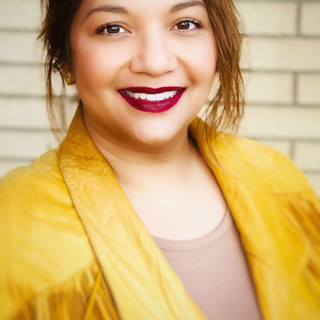
Mental health therapist Quincy witnessed this trauma firsthand while visiting the memorial site where Pretti was killed. Standing among community members processing the loss, Quincy described what Minnesotans are experiencing as larger than individual suffering.
“What we're experiencing is a collective trauma,” Quincy said. “Something that’s different than individual trauma — really having a whole community or ecosystem under attack or being shaken up.”
According to Quincy, psychological research shows that collective trauma can manifest in waves of hypervigilance, depression, anxiety, and fear. These responses, she emphasized, are not signs of weakness but natural reactions to prolonged stress and violence.
“These are very legit reactions,” Quincy explained. “But also just very prolonged stressors — that’s not what our bodies are meant to withstand.”
Yet Quincy also pointed toward hope, noting that recovery from trauma is possible — but rarely happens in isolation. “Collective trauma takes a lot of collective power to heal,” she said. “It takes a whole village to heal together.”
Music as Medicine and Resistance
For five years, the group Brass Solidarity has been modeling what collective healing can look like through music and community presence. The group gathers every Monday, usually at George Floyd Square, blending activism and performance into what co-founder Butchy Austin calls a “sonic occupation for justice.”
“We meet weekly as a community to bring our sound and bring a little bit of love, joy, and healing to the people that need it most,” Butchy said, adding that the current crisis of living through a violent federal occupation has revealed both pain and profound unity among Minnesotans.
“I've been so inspired to see Minnesotans come together in ways that I never thought imaginable — show up for their neighbors, protect each other, put away their political egos and choose justice,” Butchy said. “Put away their differences and choose love.”
For many, music has become both protest and therapy — a way to process grief collectively while affirming resilience.
Creating Spaces to Grieve, Reflect, and Rebuild

While music offers one form of communal healing, intentional healing spaces have emerged across Minneapolis to help residents process trauma together.
Every Tuesday evening, community leader Leslie E. Redmond hosts Healing Circles at Heal Mpls in North Minneapolis. Sponsored by Win Back, the gatherings provide food, facilitation, and space for community members to grieve, connect, and organize.
“There's a lot of grief, there's a lot of trauma, there's a lot of uncertainty,” Leslie said. “But there's also a lot of people looking to figure out how they can get activated and just be in community with their neighbors.”
The healing circles have drawn people from across racial, cultural, and generational lines — Indigenous, Black, Latino, Asian, Somali, and white residents sitting side by side.
“It’s been pretty powerful,” Leslie said. “People have been saying we need more spaces like this — spaces that we own, that we facilitate, and where we can just come together and be.”

Leslie, a former Minneapolis NAACP president and founder of Don’t Complain, Activate (DCA), said the need for community healing became especially clear following the murder of George Floyd in 2020.
“I recognized that in addition to the fight, we also need to be healing and building with the community in an intentional, meaningful way,” she said. “We are all we got and we are all we need. No one's coming to save us. We have to save ourselves.”
Healing Requires Listening and Hope
Among those attending the healing circles is former Minneapolis Police Chief Medaria “Rondo” Arradondo, who came to listen, learn, and support community healing efforts.
“Our community has gone through so much,” Rondo said. “There’s a feeling of uncertainty and instability and fear.”
He described the healing circles at heal mpls as a “magnet” drawing people from across the Twin Cities metro together, offering what he called “food for the soul” through shared dialogue and connection. He also emphasized that healing requires active participation.
“Hope is not a mood — it’s a practice,” he said. “And our children are watching how we respond during this time.”
Safe Spaces to Process Pain
For outreach workers like Muhammad Abdul-Ahad, executive director of TOUCH Outreach, the healing circles represent critical safe spaces for communities navigating trauma.
“A lot of people heal differently,” Muhammad said. “Providing a safe space where people can be heard is one of the main things.”
He noted that recent violence has resurfaced trauma many residents still carry from 2020, adding layers of emotional strain to communities already under pressure.
“This isn’t normal,” Muhammad said. “Our communities are impacted in a drastic way where it is traumatizing.”
He warned that unprocessed trauma can surface as rage, hostility, or isolation, making community-based healing spaces even more essential.
“Holding it in is causing a lot of stress and uncertainty,” he said. “People need to know there are places where they can decompress and start healing.”
A Community Path Forward
As Minnesota continues to fight and navigate the ongoing harm of Operation Metro Surge, one theme has emerged consistently from therapists, artists, organizers, and residents alike: healing must be communal.
The grief and fear many residents feel are real and justified. But so is the growing movement toward collective care — through music, conversation, cultural gathering, and intentional healing spaces.
Research supports what communities are rediscovering in real time — trauma shared across a population requires shared recovery. And throughout Minneapolis, residents are building that recovery together, one gathering, one conversation, and one act of solidarity at a time.


Get ready to accelerate in Kart Bros, where colorful environments, tricky corners, and intense racing moments create an enjoyable challenge for arcade fans here