
Target Faces Ongoing Boycott Over Community Safety and Equity Commitments

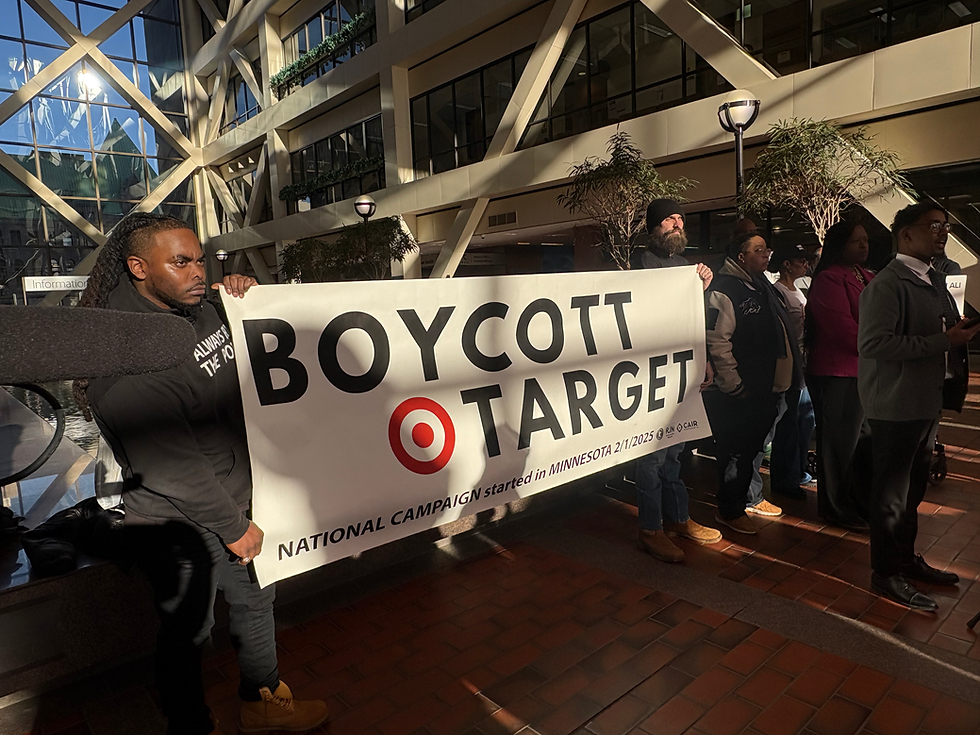
A nationwide boycott of Target that began in Minneapolis has entered its second year, with organizers citing corporate accountability, immigration enforcement concerns and racial equity commitments as central issues.
The boycott was launched by community leaders and activists Nekima Levy Armstrong, Jaylani Hussein and Monique Cullars-Doty, after Target rolled back elements of its diversity, equity and inclusion initiatives in January 2025.
The company had previously pledged $2.1 billion following the 2020 murder of George Floyd to expand Black-owned brands, increase supplier diversity and improve equity in hiring and promotions. Target also made a $1 million donation to the Trump-Vance inauguration committee.
“The Target boycott exists because corporations cannot be allowed to profit while enabling state violence,” said Jaylani, co-founder of the Target Boycott Coalition. “Year two of this boycott is about demanding corporate accountability and building economic pressure that cannot be ignored.”
Target’s stock price has fallen about 25% over the past year. The company also has reported declining sales, leadership changes and was removed from Fortune’s “Most Admired Companies” list. Organizers said they plan to expand outreach nationwide as the boycott continues.
Signs of Not Standing With Community
Recently, organizers have criticized Target over recorded U.S. Immigration and Customs Enforcement activity at Target stores. ICE has been seen using Target parking lots in Minneapolis and Richfield as meeting points and staging grounds for operations. And on Jan. 8, federal agents violently detained two Target employees, who are U.S. citizens, during their shift in Richfield. Videos of the arrest quickly spread on social media.
Target has not issued any public statements about ICE operations in their stores or about the two employees who were detained. Organizers said the boycott will continue unless the corporation adopts clear policies prohibiting ICE activity on all Target properties nationwide.
Monique said the boycott also highlights concerns about Target’s forensic services, which have assisted law enforcement agencies nationwide. She referenced the case of Mahdi Ali, who was convicted at age 15 in a 2010 triple homicide in south Minneapolis and sentenced to life in prison.
“We hold the line for Mahdi Ali. One thing about Target that many people don't know is that Target has a crime lab, and it was a so-called Target expert that made false testimony against Mahdi Ali, a high school student,” said Monique.“The boycott will not end until we see Mahdi Ali free and all our demands are met.”
Advocates for Mahdi Ali argue his conviction relied on flawed forensic testimony. His case is currently being reviewed by Hennepin County’s Conviction Integrity Unit.


Comments