
DFL Lawmakers, Business Owners Call for Federal Accountability as 2026 Session Begins
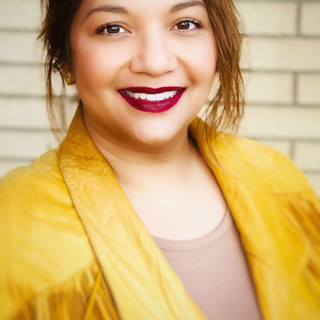

ST. PAUL — On the eve of Minnesota’s 2026 legislative session, DFL lawmakers stood alongside civil rights advocates and small business owners to demand greater accountability from federal immigration authorities and to urge Republican colleagues to support new state-level protections aimed at making communities safer.
John Boehler from ACLU Minnesota said the organization has received more than 700 reports of alleged constitutional violations since launching a reporting portal two months ago. He said federal agencies including ICE, Border Patrol and the Department of Homeland Security have violated multiple constitutional protections and failed to comply with federal court orders.
"When the federal government does not comply, you arrive at where we are now," said Boehler. "Thousands of Minnesotans separated from their families, unable to contact their attorneys, unable to locate their lost family members, detained in squalid conditions around the country, and treated as pawns in the federal government's campaign of racial and ethnic violence."
He added that the state of Minnesota is not powerless and that lawmakers can act to protect schools, hospitals, and other community spaces while providing civil remedies for residents whose rights were violated.
Economic and Community Impact

DFL lawmakers and business owners described ripple effects they say have harmed Minnesota’s economy. Sen. Erin Maye Quade said Operation Metro Surge has destabilized families and local businesses.
"What Minnesota has experienced is an economic blockade, as our workers have been kidnapped, less people to work in restaurants and stores, build houses, our economy is close to coming to a standstill," said Maye Quade. "This has brought generational devastation. This is something that Trump and Republicans have brought because Republicans in Minnesota will not stand up to him."

Small business owners echoed those concerns. JD Delgado, a restaurant operator, said employees have been afraid to report to work due to fear of detention.
"I have witnessed firsthand the severe impact of ICE action on restaurant properties." said Delgado. "One of our workers was severely burned when he was forcibly restrained against the fryer by an ICE agent. When confronted, the agent claimed that the employee pushed the fryer back—blaming the victim, just like with Good and Pretti. Unfortunately, none of these employees have chosen to testify against ICE due to their fears of retaliation."
Delgado also shared that because of racial profiling by federal agents, restaurants are experiecing devastating financial losses and permanent closures.
" It's not about legal or undocumented. They are targeting all of us," said Delgado. "These actions have resulted in many employees contacting us, claiming they are unable to come to work due to the fear that they won't make it home to their families."
Sarah Lechowich, a construction company owner in Cottage Grove, said she halted projects because she could not guarantee the safety of workers.
"These are folks who have earned legal status. They've worked hard, they've contributed, they are essential to our company and to our community," said Lechowich. "Yet, what we are seeing sends a deeply troubling message that who you are and how you look can matter more than your rights. Minnesotans deserve to see their elected officials do everything possible to protect constitutional rights."
Both business owners called on John Kosnik and Wayne Johnson, Republican lawmakers representing their districts, to support legislative measures aimed at increasing transparency and limiting enforcement in sensitive spaces.
Proposed Legislation Focused on Accountability
DFL lawmakers are advancing a package of bills framed as “common sense” public safety measures. Among them:
Proposals to prohibit immigration enforcement activity at public schools, childcare centers, hospitals, and college campuses.
Bills sponsored by Rep. Leigh Finke that would require law enforcement officers operating in Minnesota to display visible identification and restrict the use of masks while on duty, with certain exceptions.
Legislation requiring vehicles used to transport detainees to be clearly marked as law enforcement vehicles.
A bill allowing Minnesotans to seek civil remedies in state court for alleged constitutional violations.
A proposal requiring the Minnesota Bureau of Criminal Apprehension to participate in investigations involving federal agent-involved shootings within the state.
Rep. Finke described the measures as transparency standards that would align federal enforcement activity with expectations placed on state and local law enforcement. "This is America, and we don’t have secret police," she said, arguing that visible identification and marked vehicles are basic safeguards to protect residents and prevent impersonation.
Republican lawmakers have not yet publicly signaled support for the proposals. Opponents are expected to raise questions about whether states can regulate federal law enforcement operations under the U.S. Constitution’s Supremacy Clause.
"Our communities deserve transparency," Maye Quade said. "They deserve accountability. And they deserve lawmakers willing to protect them."
Watch the full press conference below.


It’s encouraging to see lawmakers and business owners pushing for accountability as the new session begins. Transparency and responsible governance are so crucial for building trust, especially in fast-moving industries. I’ve been exploring ways to stay informed and leverage modern solutions to support these efforts, which is one reason I often reference https://da-com.com/ for insights and tools that help navigate complex business and regulatory landscapes. Combining awareness with the right resources can really empower professionals and community leaders to make smarter decisions and drive meaningful change, both in policy discussions and in practical business strategy.